Or Just Misunderstood?
Ah, the black cat. Just a shadow in the night, a mysterious figure quietly watching you. For some, the ultimate symbol of bad luck; for others, just a cat with a seriously stylish coat. But let's be honest: where does the belief that black cats bring bad luck actually come from?
It probably started back in the Middle Ages, a time when people were scared of shadows, witches, and even their own neighbors. Black cats were often linked to witches, who definitely had a bad reputation back then (thanks to, well, pretty much every wild rumor ever made up). If a black cat even bothered to cross your path, it had to be a sign your day wouldn’t end on a high note.
Fast forward to today, and you'd think we'd be over it by now. But nope! Black cats are still seen as bad luck carriers. This not only hurts their reputation but also their chances of getting adopted from shelters. Apparently, people are more afraid of a black cat in their living room than of doing their annual tax return.
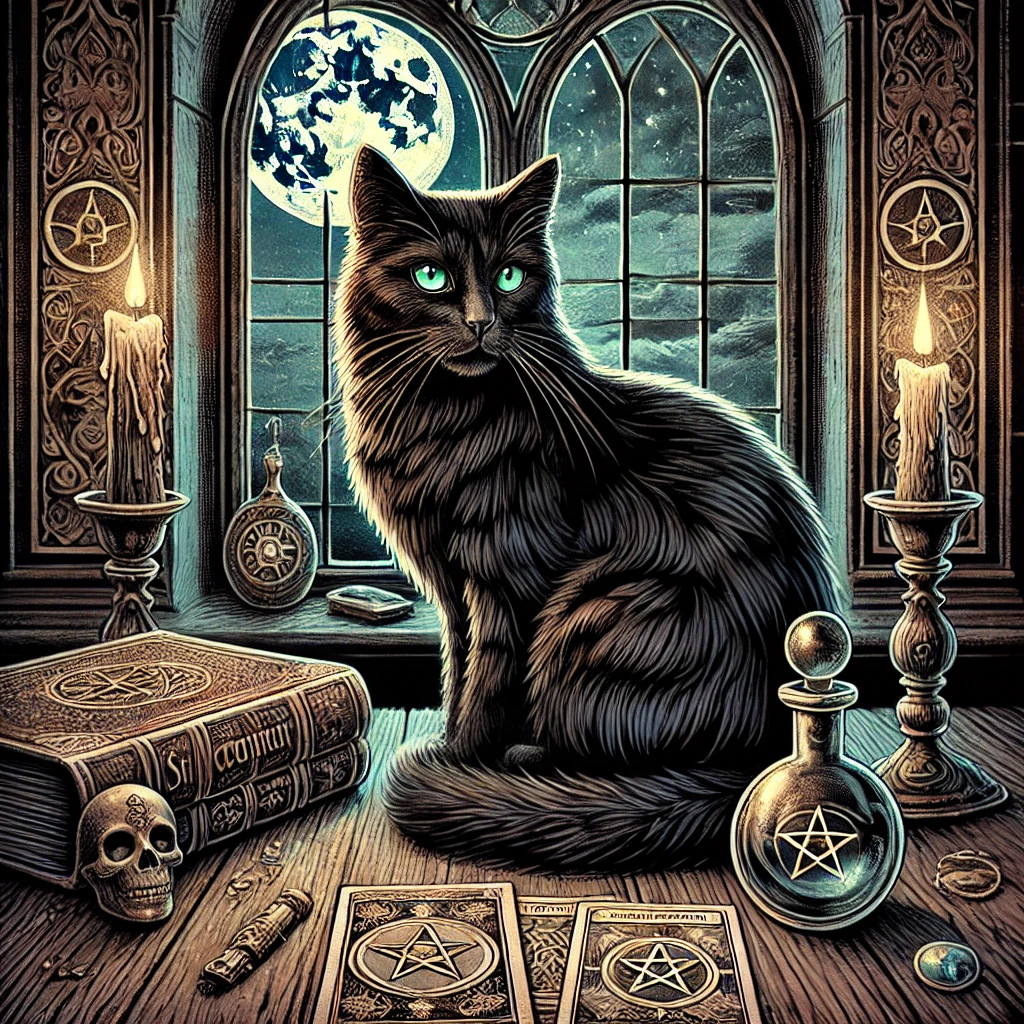
But let’s be honest here: who’s really the bringer of bad luck? You, with your expensive vase that just happens to be fragile and cat-level? Or the cat, just trying to peek over because, let’s face it, cats don’t do boundaries?
Maybe it’s time to flip the script on this stereotype. What if black cats actually bring good luck? After all, they’re practically invisible in the dark, saving you a ton on electricity. And who else pulls off a sleeker look than a shiny black panther—just in miniature?
So next time a black cat crosses your path, give it a wink. Maybe it’s not just luck they bring, but a bit of style to your life. And if bad luck keeps coming, blame your vase — not the cat.


