A Persistent Myth Debunked
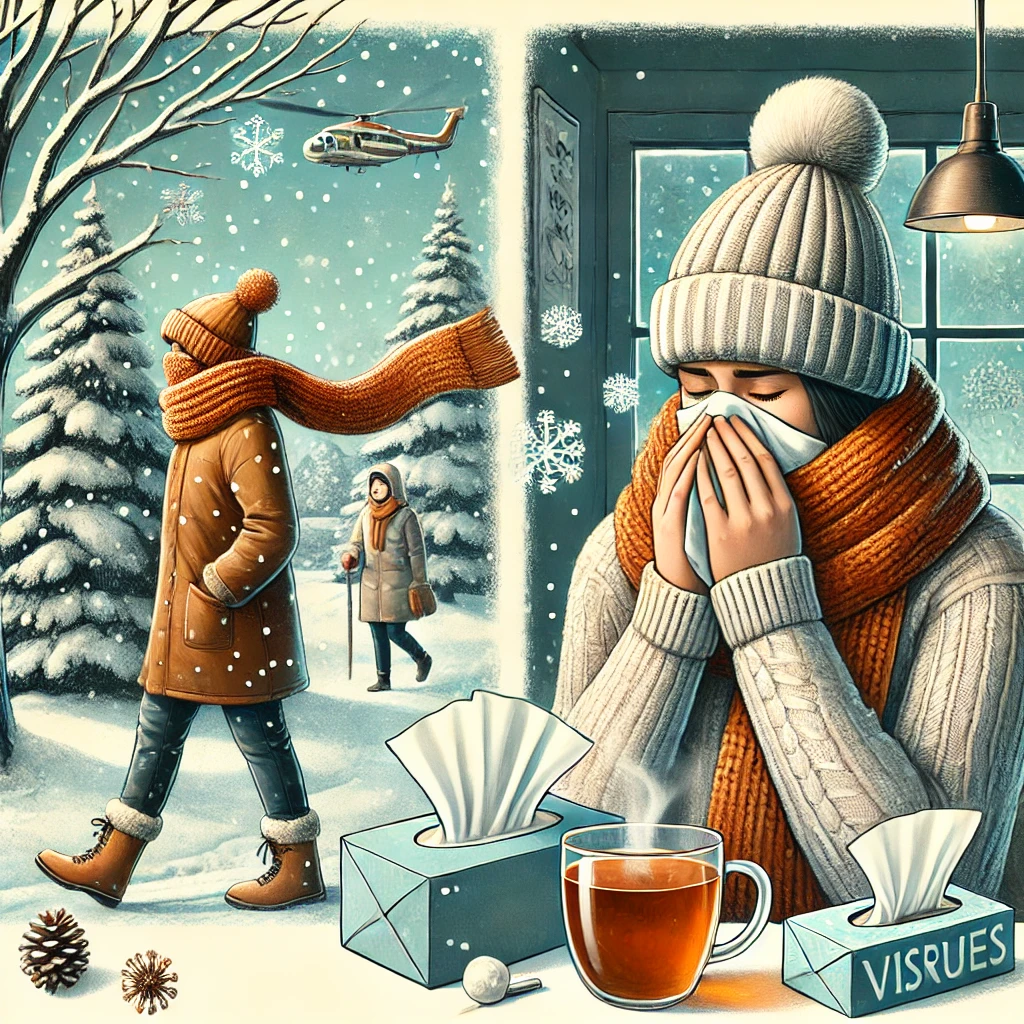
It's an idea that has been around for generations: if you go outside without a coat in the cold, you'll get sick. Many people associate the winter months with a higher chance of catching a cold and blame the cold weather as the culprit. But is this justified? Let's dissect this myth and understand why cold is not the direct cause of a cold.
What Actually Causes a Cold?
Colds are caused by viruses, such as the rhinovirus, which infect the upper respiratory tract. So, it's not the temperature outside, but exposure to these viruses that determines whether you get sick. Cold viruses spread through droplets in the air, direct contact with contaminated surfaces or hands, and then touching your face.
So Why Do We Seem to Catch Colds More Often in Winter?
Although the weather itself is not the cause, there are indirect factors that contribute to the increase in colds during the colder months:
- More time indoors: In winter, people spend more time in poorly ventilated spaces close together, increasing the chance of viruses spreading.
- Dry Air: Cold air, especially when heated indoors, is drier. Dry air can dry out the mucous membranes in your nose, making them less effective at fending off viruses.
- Lower Resistance: Some research suggests that the body may become more susceptible to infections in low temperatures, for example, due to reduced blood flow to the mucous membranes.
What is the origin of the myth?
The link between cold and illness likely stems from times when people had less knowledge of microbiology. A wet coat or chilled fingers seemed logically connected to developing symptoms like sneezing and coughing. Moreover, old sayings like "you must dress warmly, or you'll get sick" reinforced the idea that cold is directly responsible for illness.
How to truly prevent a cold?
The best way to avoid catching a cold is to prevent the spread of viruses. Here are some tips:
- Wash Your Hands Regularly with soap and water, especially after contact with crowded places.
- Avoid touching your face, especially your nose, mouth, and eyes.
- Ventilate your home to increase humidity and let in fresh air.
- Stay Healthy by getting enough sleep, eating healthily, and exercising regularly. A well-functioning immune system helps you defend better against viruses.
Conclusion
While it's understandable to associate cold weather with colds, it's important to remember that cold itself doesn't cause viruses. The increase in colds during winter is more likely due to behavioral and environmental factors. By understanding how cold viruses spread, you can better protect yourself — regardless of the temperature outside. So, wear a warm coat to stay comfortable, but know that it doesn't directly prevent or cause you to get sick.


