Or does it just seem that way?
Bats are often seen as mysterious and fascinating creatures. But together with their nocturnal lifestyle and association with caves and darkness, a stubborn myth clings to these animals: that bats are blind. This belief is so widespread that even the saying “as blind as a bat” has reinforced the idea. But what is the reality? Are bats really blind? The short answer is: no, not at all.
What do we know about bats' eyesight?
Although bats are primarily known for their ability to navigate via echolocation, they also have functional eyes. In fact, many bats can see quite well.
- Day and night bats: Some bat species, such as fruit‑eating bats, have good eyesight that helps them locate fruit and flowers. They can even distinguish colors and often see better than humans in low‑light conditions.
- Navigating in the dark: Bats that catch insects rely more on echolocation than on their sight, but that does not mean their eyes are useless. They use their vision as support, especially when orienting over longer distances.
How does echolocation work?
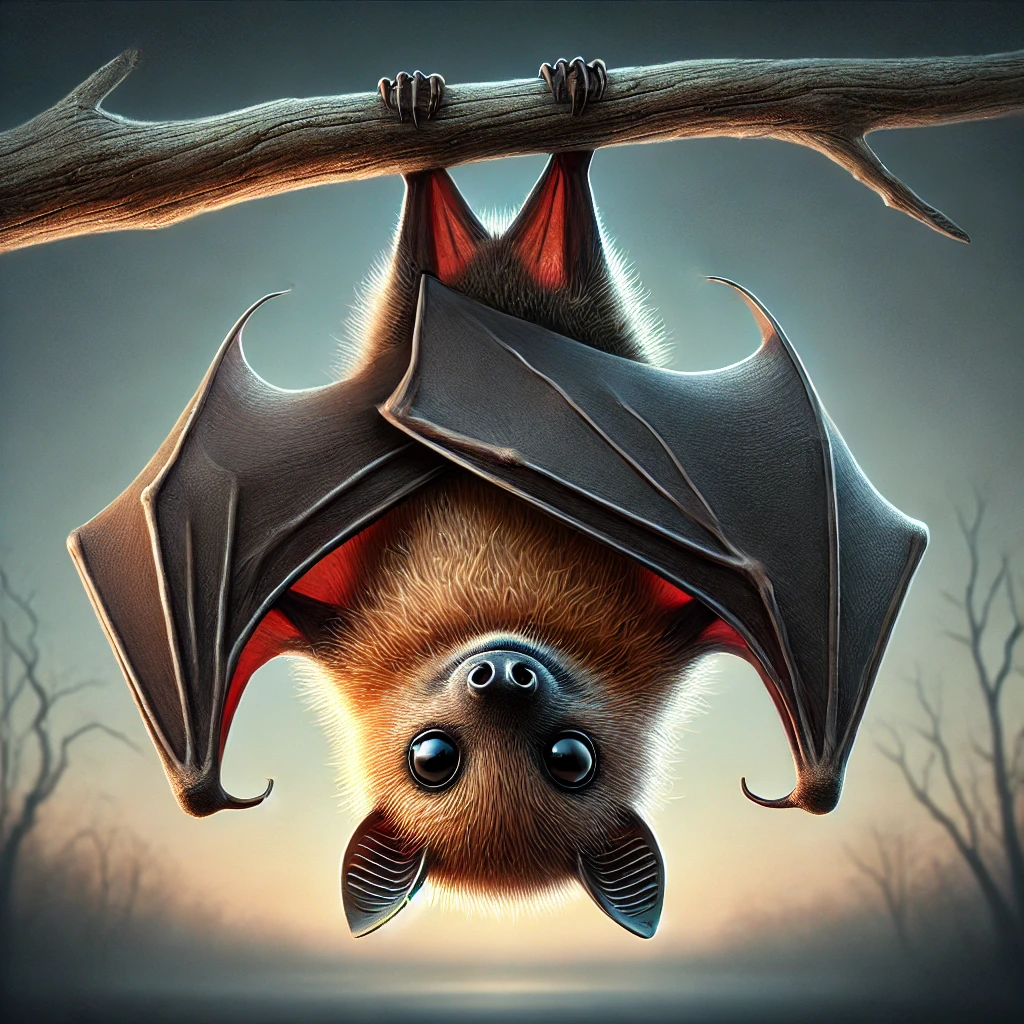
Bats are famous for their echolocation, a skill that involves emitting sounds and listening to the echoes that bounce back from objects in their surroundings. This allows them to locate their prey with extreme precision, even in total darkness. However, echolocation does not replace their vision; it is rather a complementary sensory ability.
Where does the myth originate?
The myth that bats are blind may stem from the fact that they are often active in complete darkness and their echolocation is impressively effective. Because people rely mainly on sight, it may seem as if bats are “blind” in the dark. This idea was reinforced by culture, literature, and proverbs, but it has no scientific basis.
Why are bats so special?
Bats are incredibly diverse and useful animals. There are more than 1,400 bat species, and they play an important role in ecosystems:
- Insect control: Many bats eat large amounts of insects, including mosquitoes and agricultural pests. This helps them with natural pest control.
- Pollination: Fruit‑eating bats pollinate plants such as bananas, mangoes and agave (used for tequila).
- Seed dispersal: They disperse fruit seeds, which helps with reforestation.
What can we learn from bats?
The myth that bats are blind reminds us how easily false assumptions can arise. By learning more about these fascinating creatures, we can not only gain a better understanding of their unique traits but also recognize their value to nature.
Conclusion
Bats are anything but blind. Their eyes work fine and are complemented by their phenomenal echolocation abilities. By debunking this myth, we can gain greater appreciation for these remarkable animals. So the next time someone says, “as blind as a bat,” you’ll know better!


